
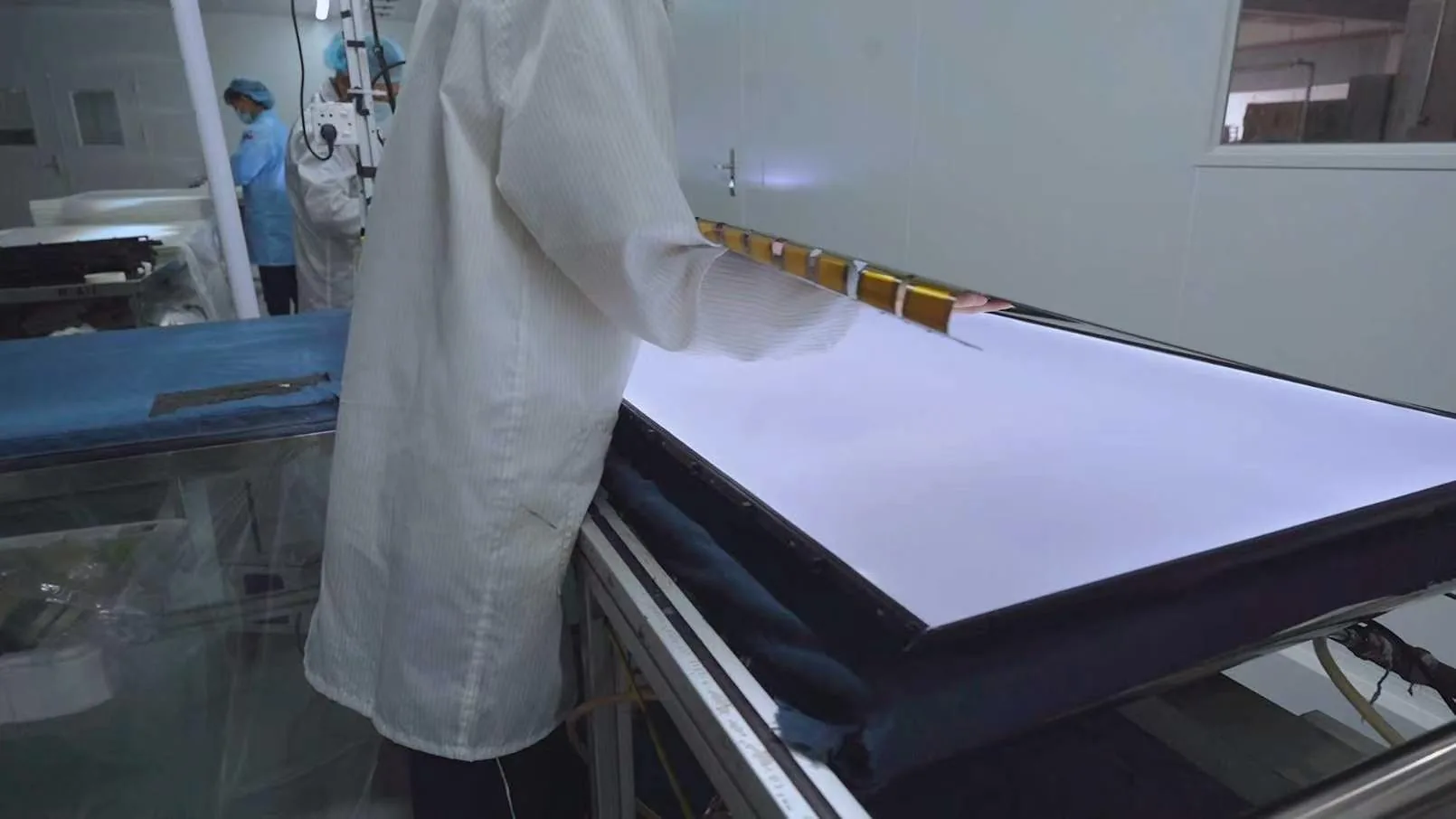
TV Metal Back Plate Surface Treatment: From Coating Choice to an Assembly-Ready Finish
Choose a TV back plate finish by assembly risk: coating options, corrosion protection, masking and inspection, aligned into an RFQ-ready package.
Read guide →Resource / Engineering Knowledge
Practical terminology, sourcing and engineering guides for television structural-component programs.
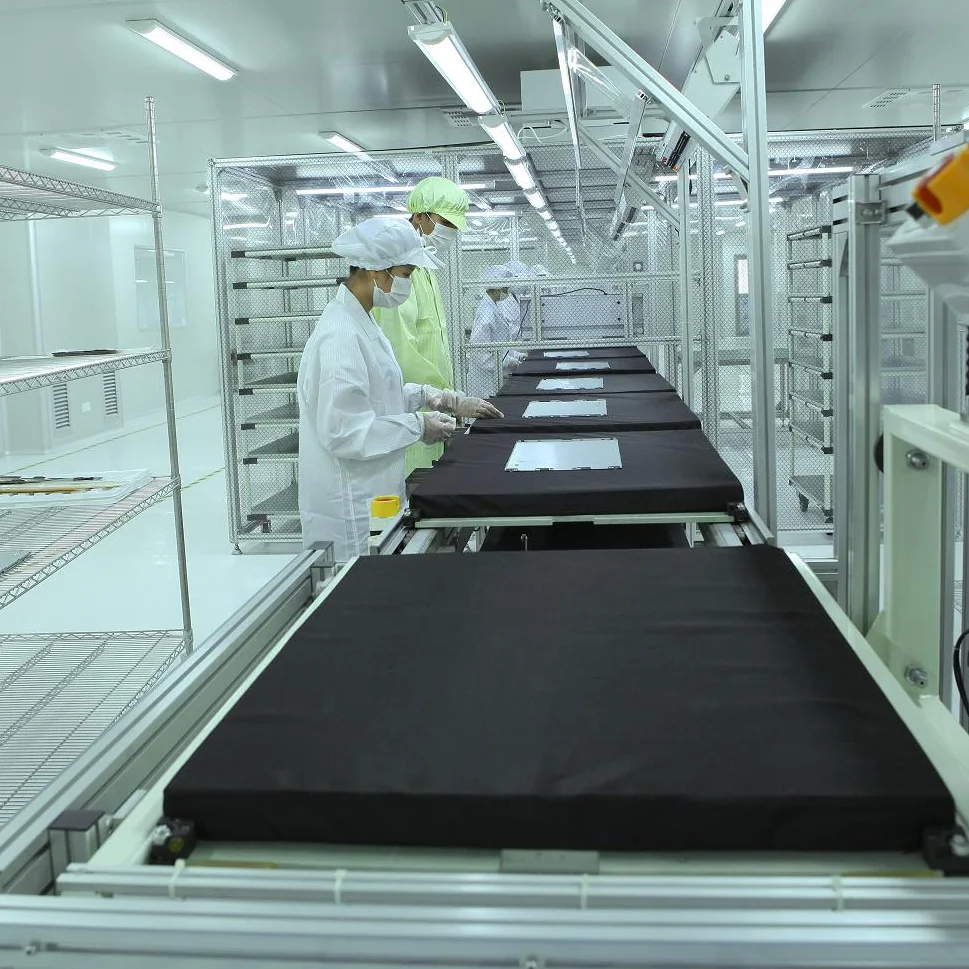
Engineering resource library
Long-form, evidence-bounded guides connect TV structural terminology, sourcing decisions, tooling strategy and manufacturing requirements.
Choose a TV back plate finish by assembly risk: coating options, corrosion protection, masking and inspection, aligned into an RFQ-ready package.
Read guide →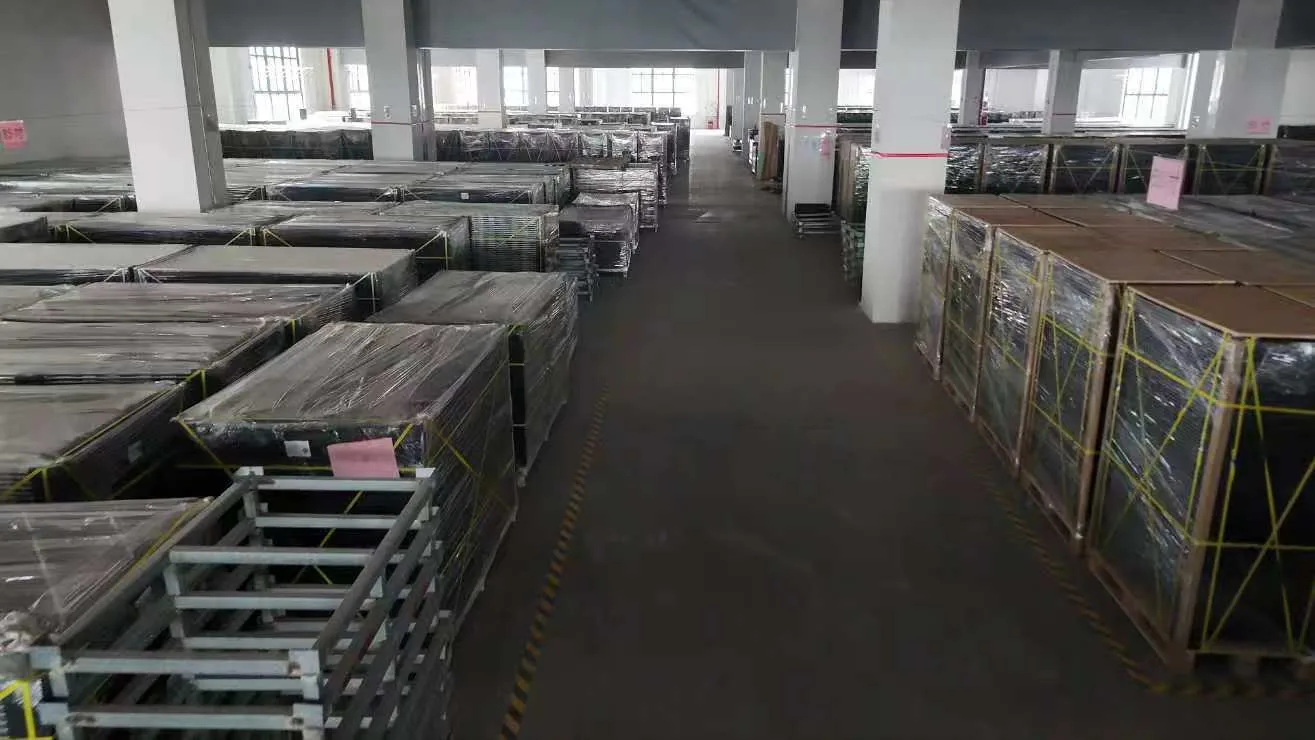
See where TV structural parts sit between panel, electronics and final assembly, and align the decisions that prevent late assembly risk.
Read guide →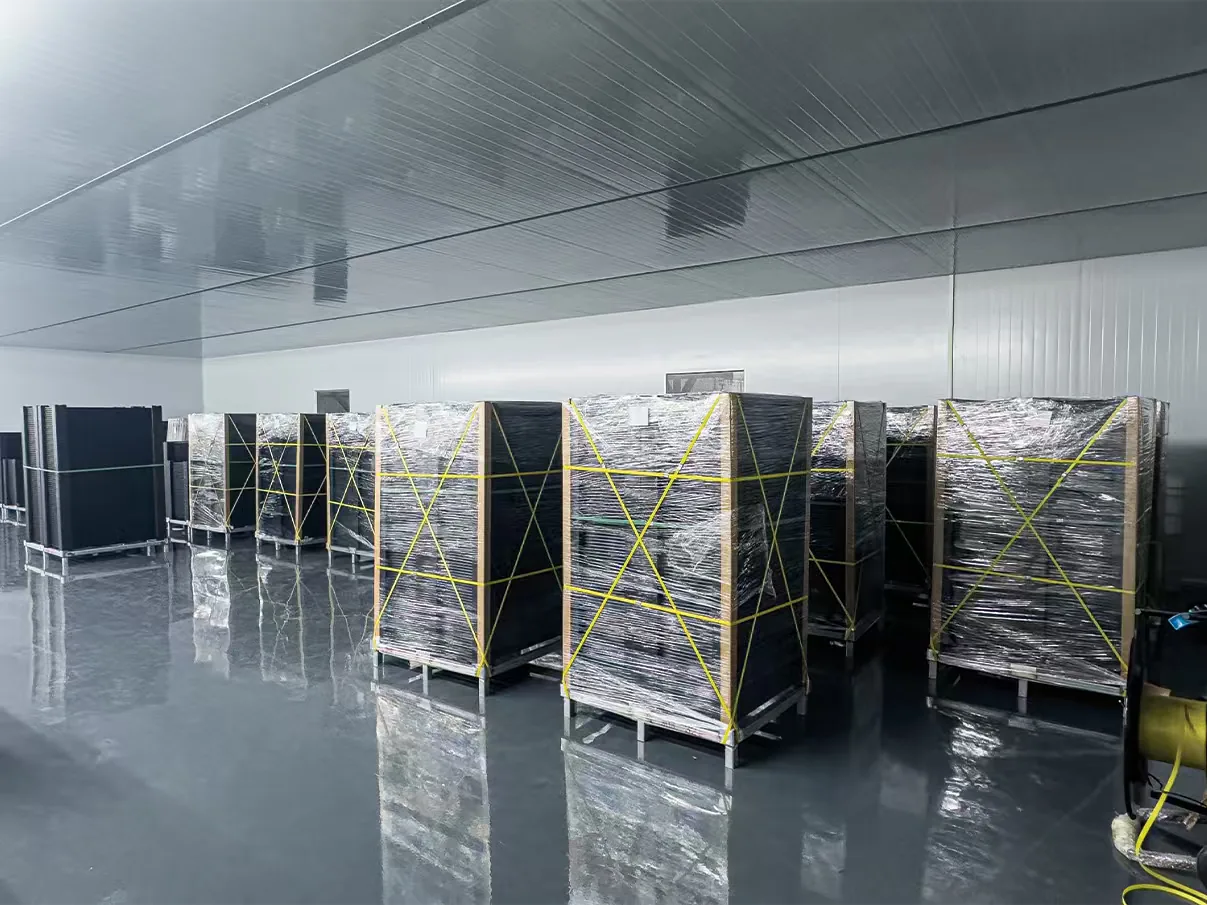
Compare screwed, clinched, insert and bonded joints by load, service and assembly risk, and prepare a joint list a supplier can review.
Read guide →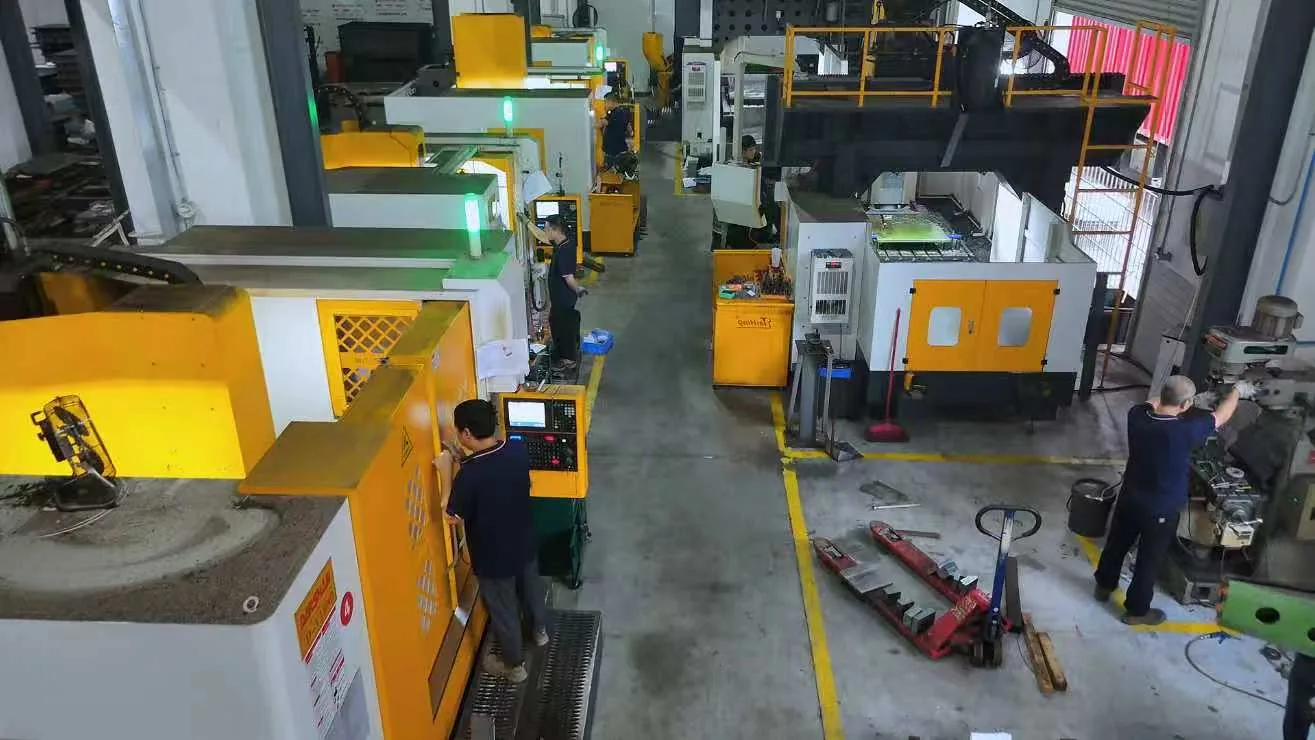
Plan a TV structural-part mold from DFM and tool design through trials, first-article approval, and a documented process window.
Read guide →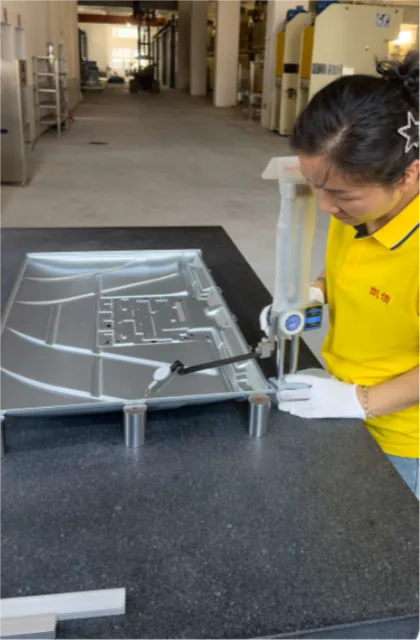
Read tolerances as an assembly question: datums, stack-ups, interfaces and inspection in the assembled state.
Read guide →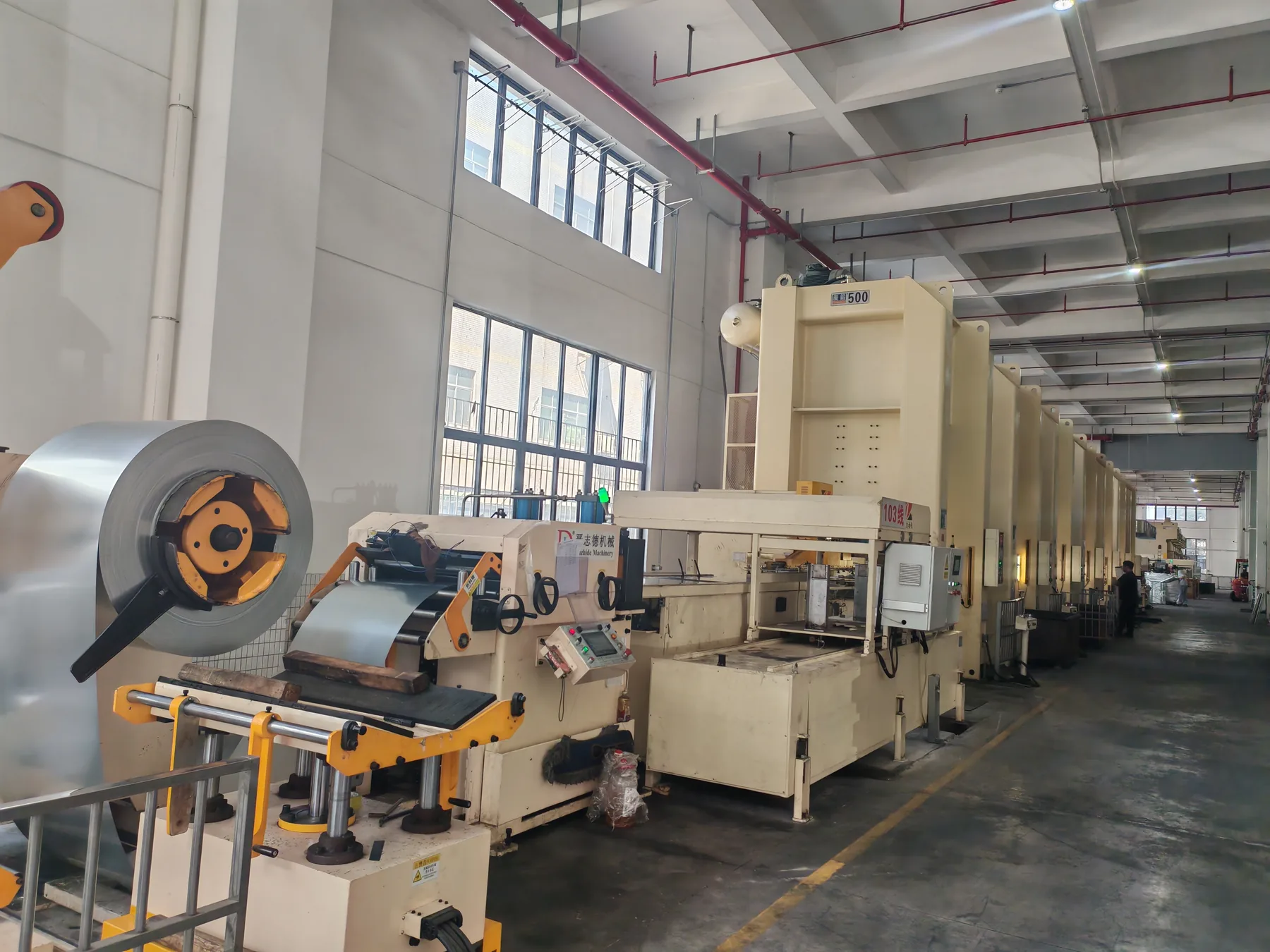
Build a should-cost structure from material yield, operations, tooling, finishing and logistics so quotes can be compared line by line.
Read guide →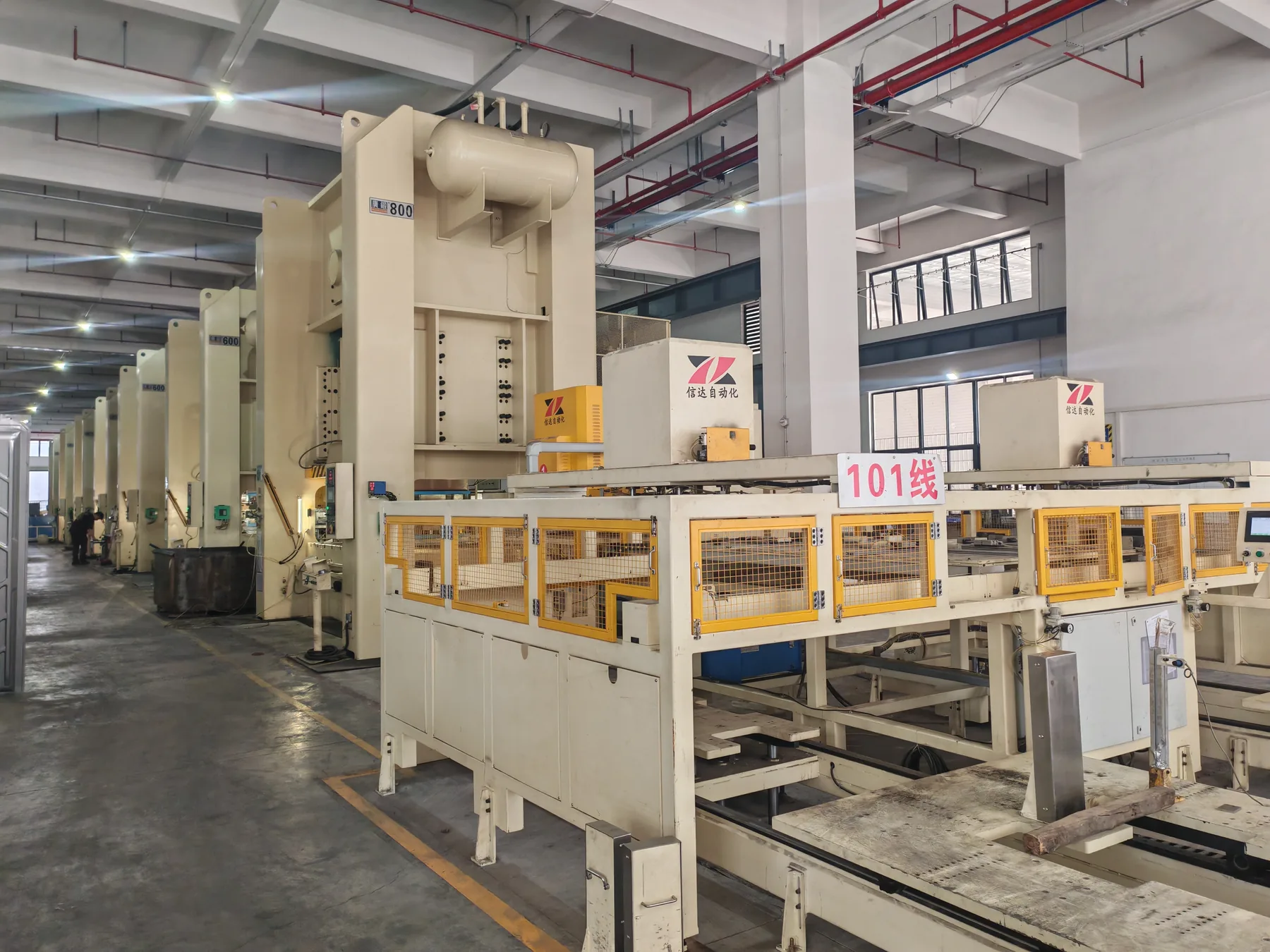
Turn a capacity claim into a demand profile, a real process constraint, a ramp plan and evidence that survives a bad week.
Read guide →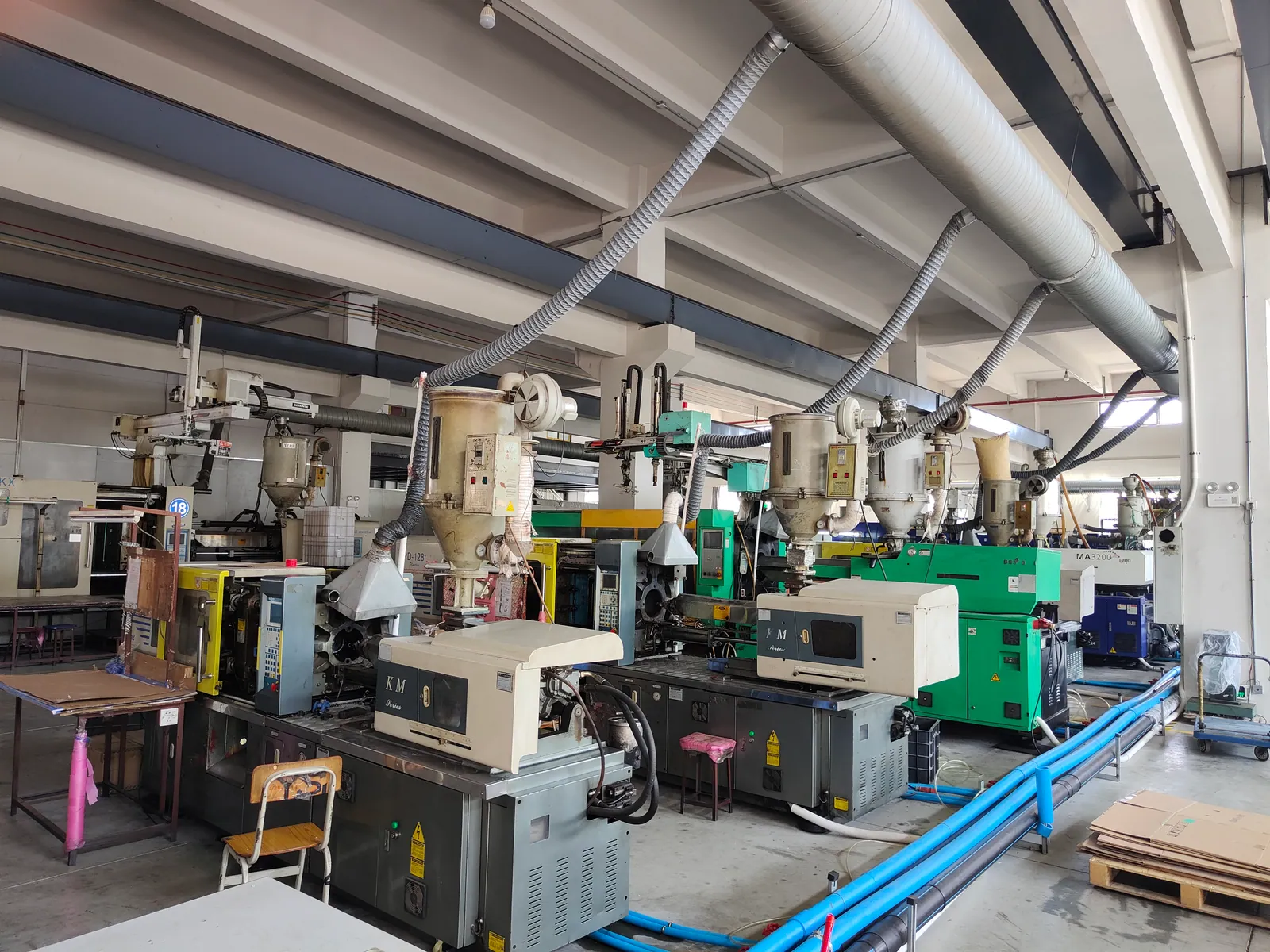
Separate shrinkage from warpage, read the wall as a cooling problem and measure the part in the state the assembly will experience.
Read guide →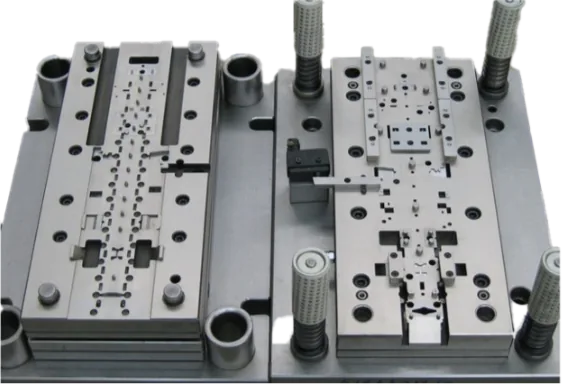
Connect part evidence, tool inspection, clearance control, scrap handling and repair records into a reviewable maintenance decision.
Read guide →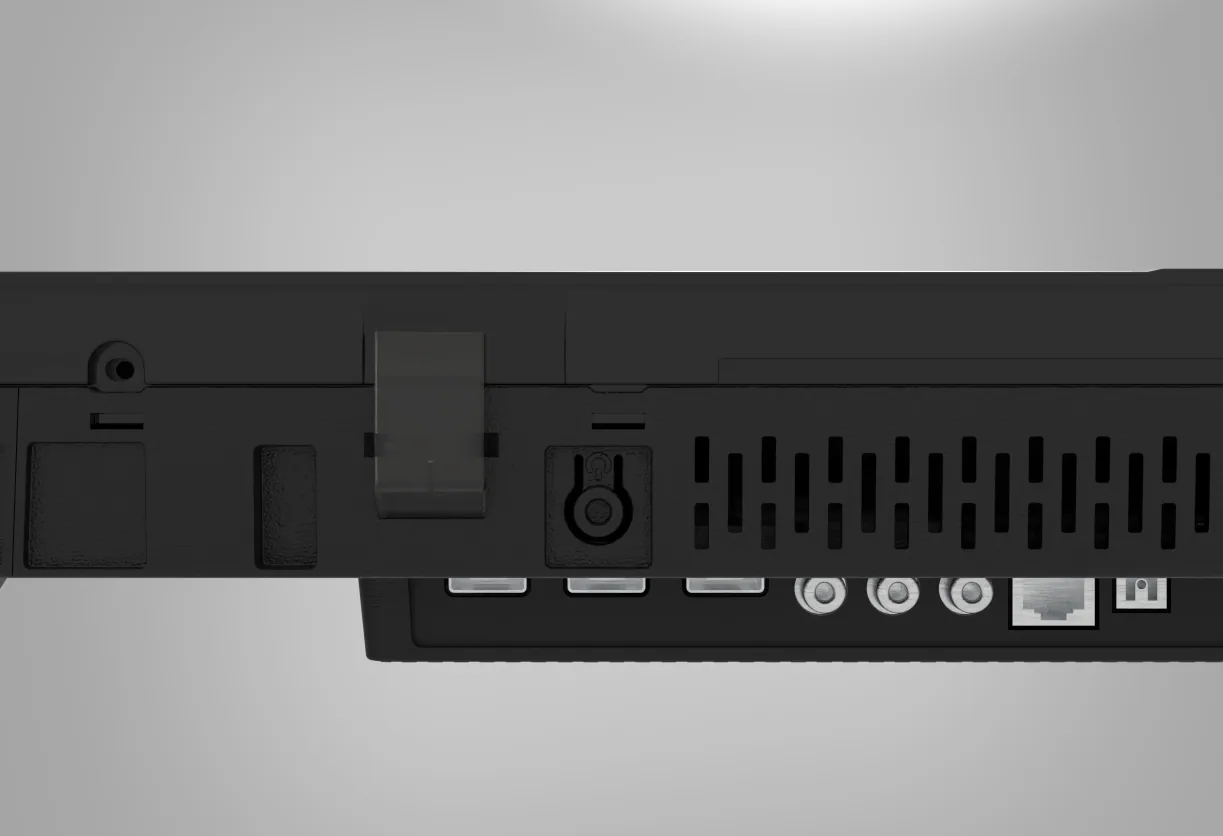
Define a connector cutout from the plug envelope, datum chain, tolerance stack, burr direction and real assembly sequence.
Read guide →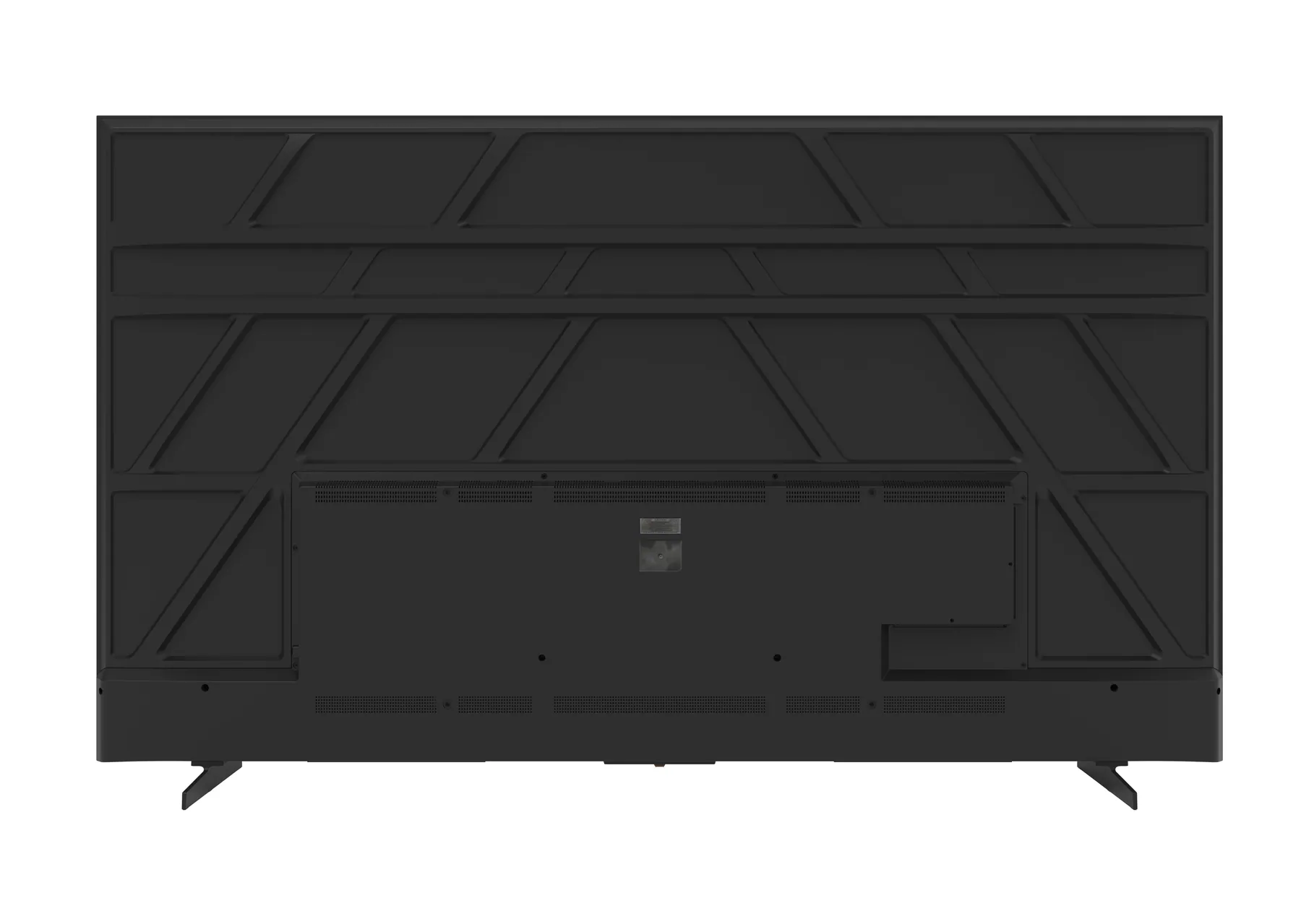
Treat a vent pattern as structure, airflow interface and tooling decision, with the safety conclusion kept with the brand owner.
Read guide →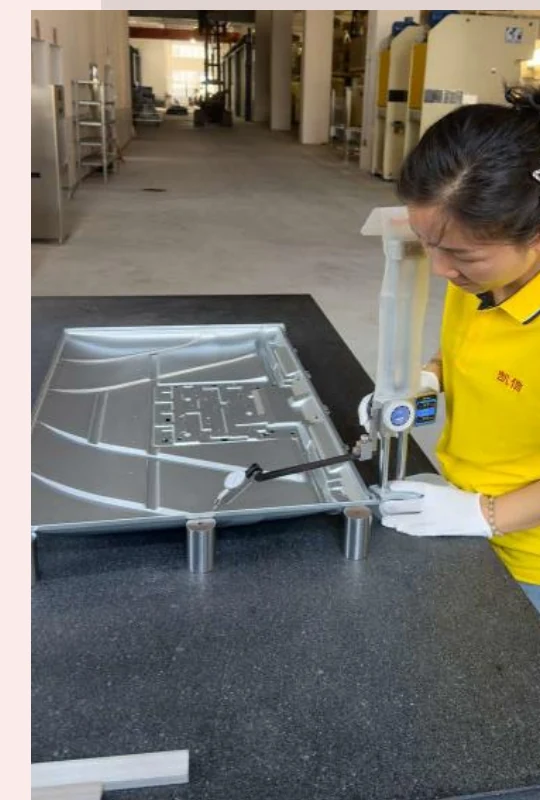
Define free and restrained states, functional datums, fixture support and point plans so flatness becomes a repeatable decision.
Read guide →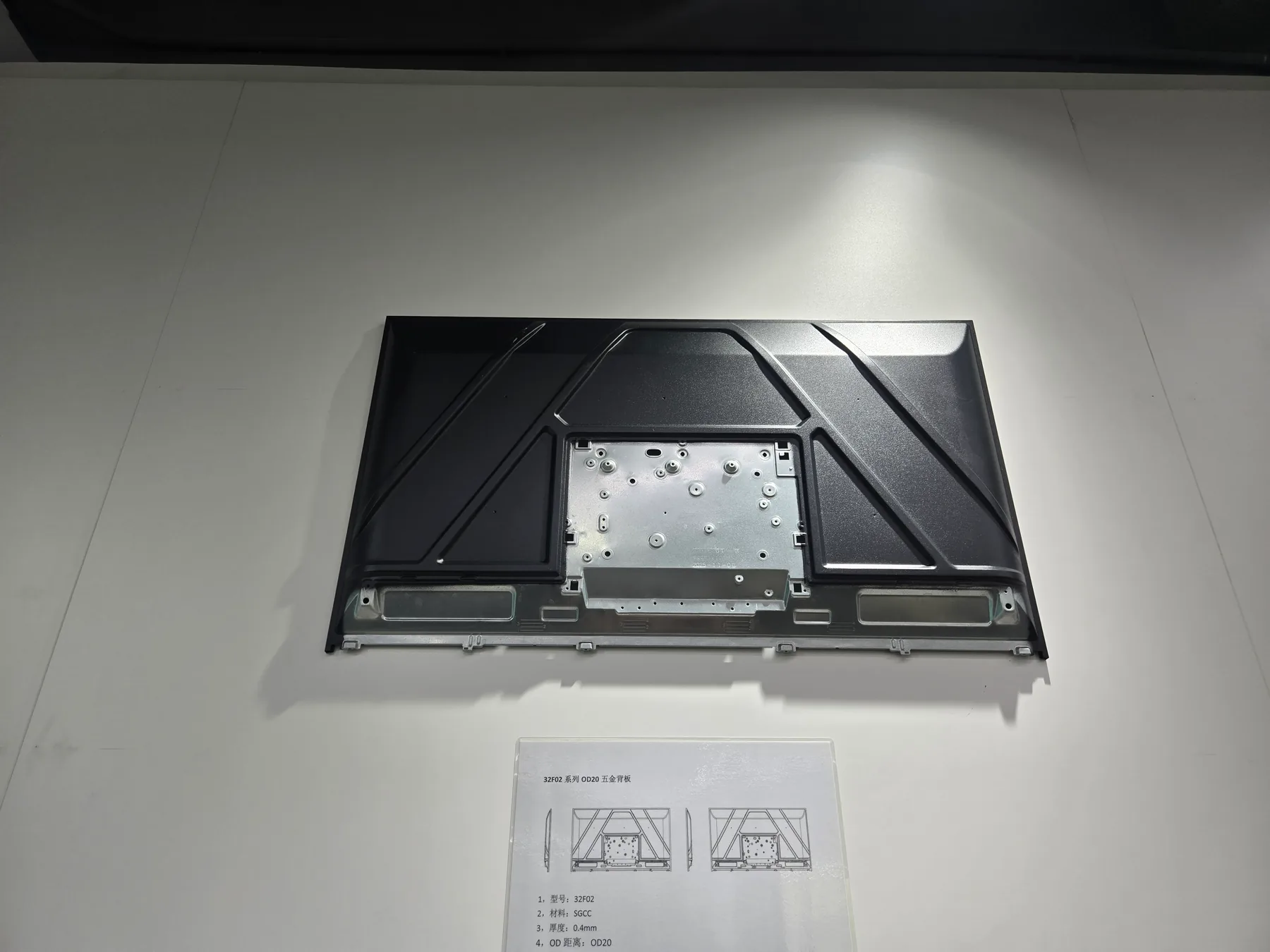
Decide thickness from the load path and the section, then carry the stiffening features and flatness conditions onto the drawing.
Read guide →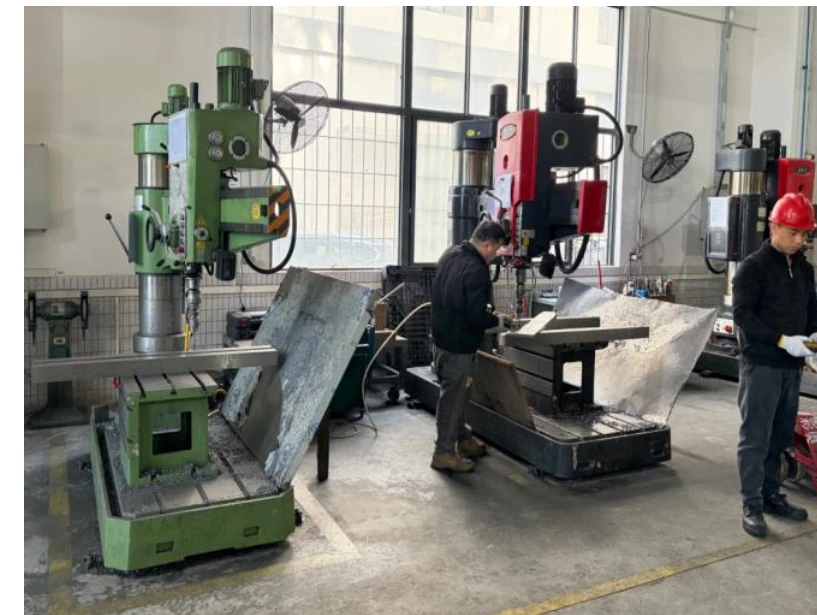
Connect approved changes to tooling readiness, revision cut-in, stock disposition, production lots and receiving records.
Read guide →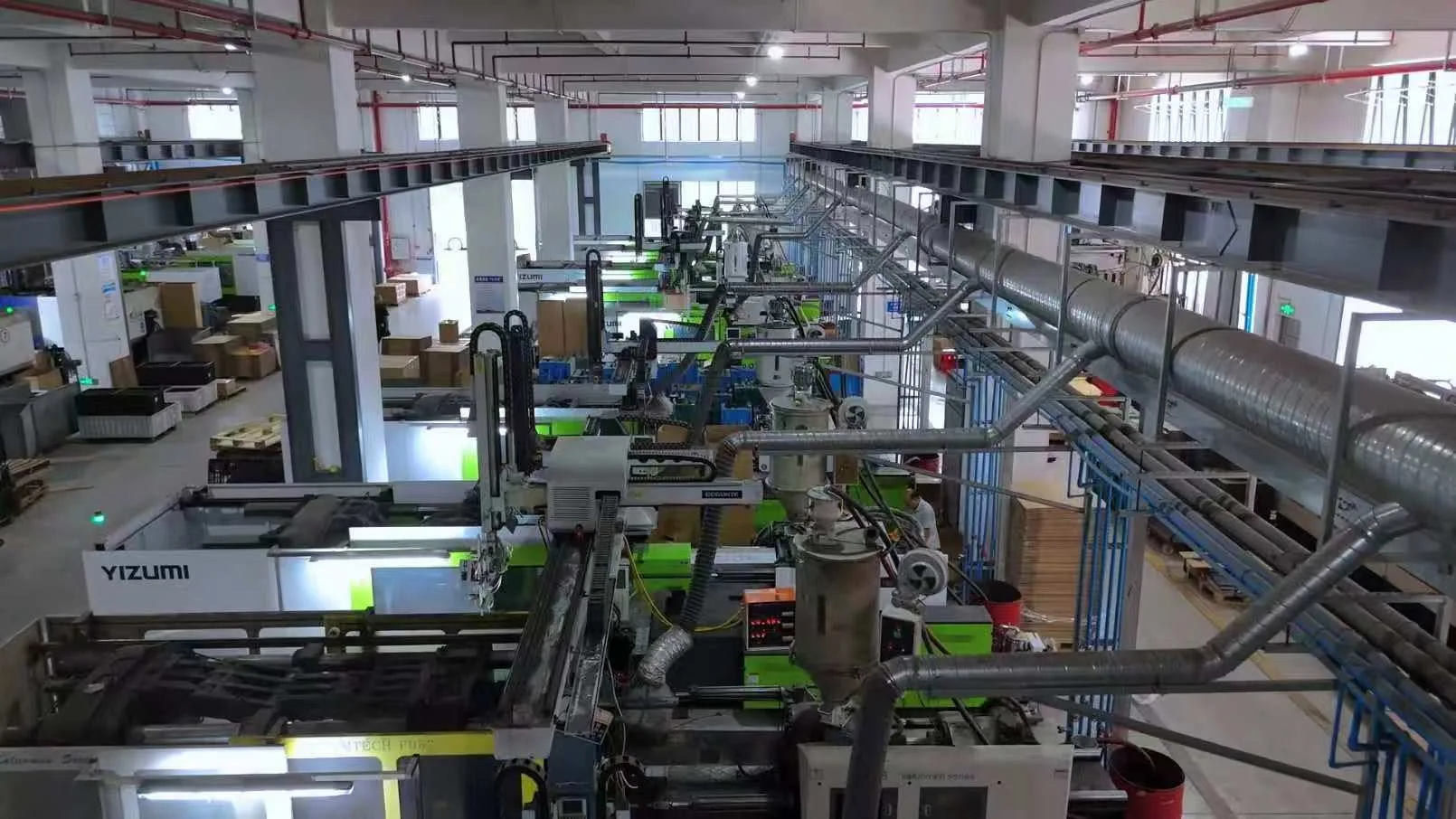
Review walls, ribs, bosses, draft and assembly interfaces as a connected molding design with explicit decisions and validation needs.
Read guide →
Define surface zones, viewing conditions, reference samples, coating requirements and a practical cosmetic acceptance record.
Read guide →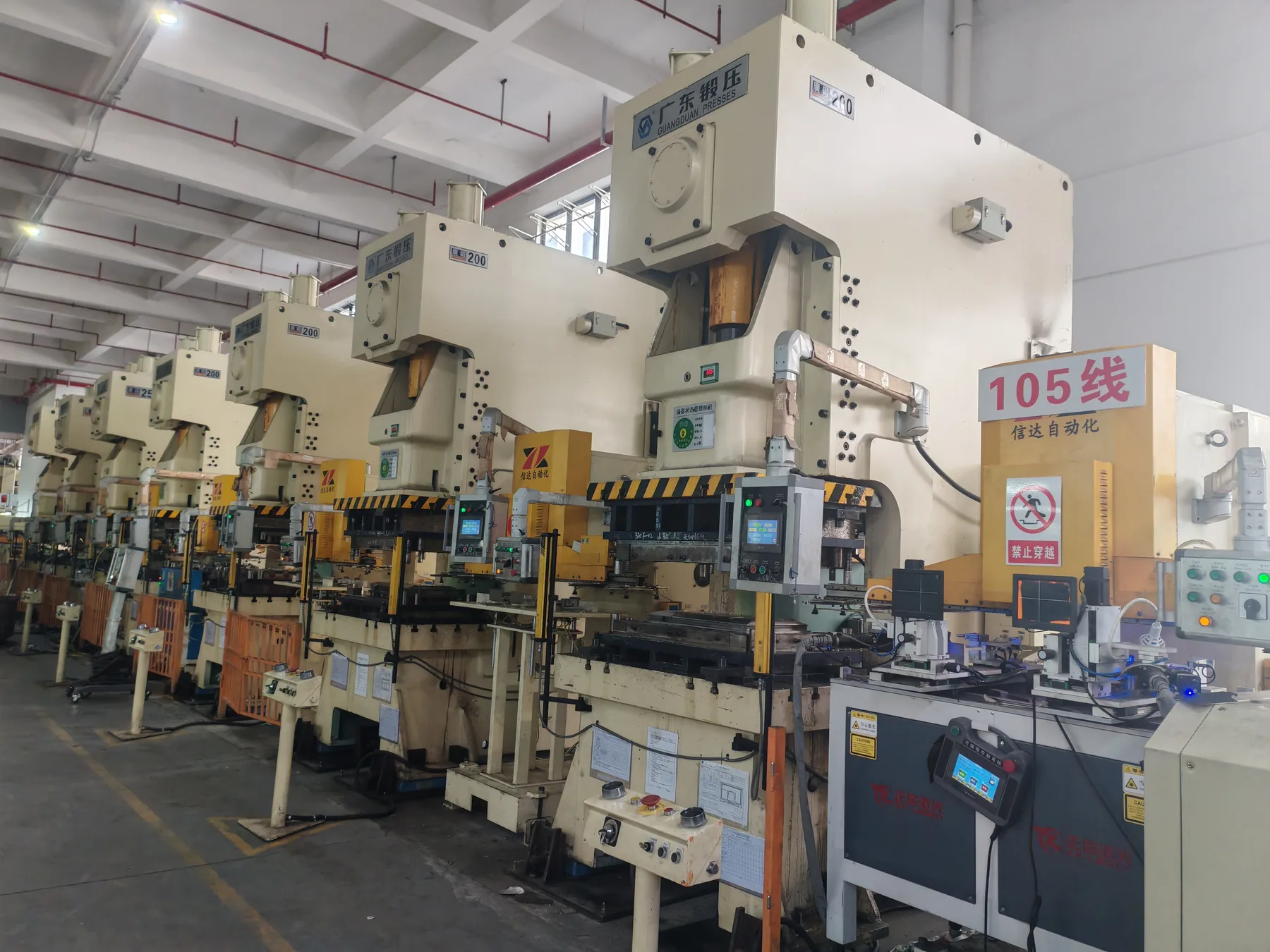
Review interacting holes, bends, reinforcing features, cut edges and functional flatness before committing to a stamping route.
Read guide →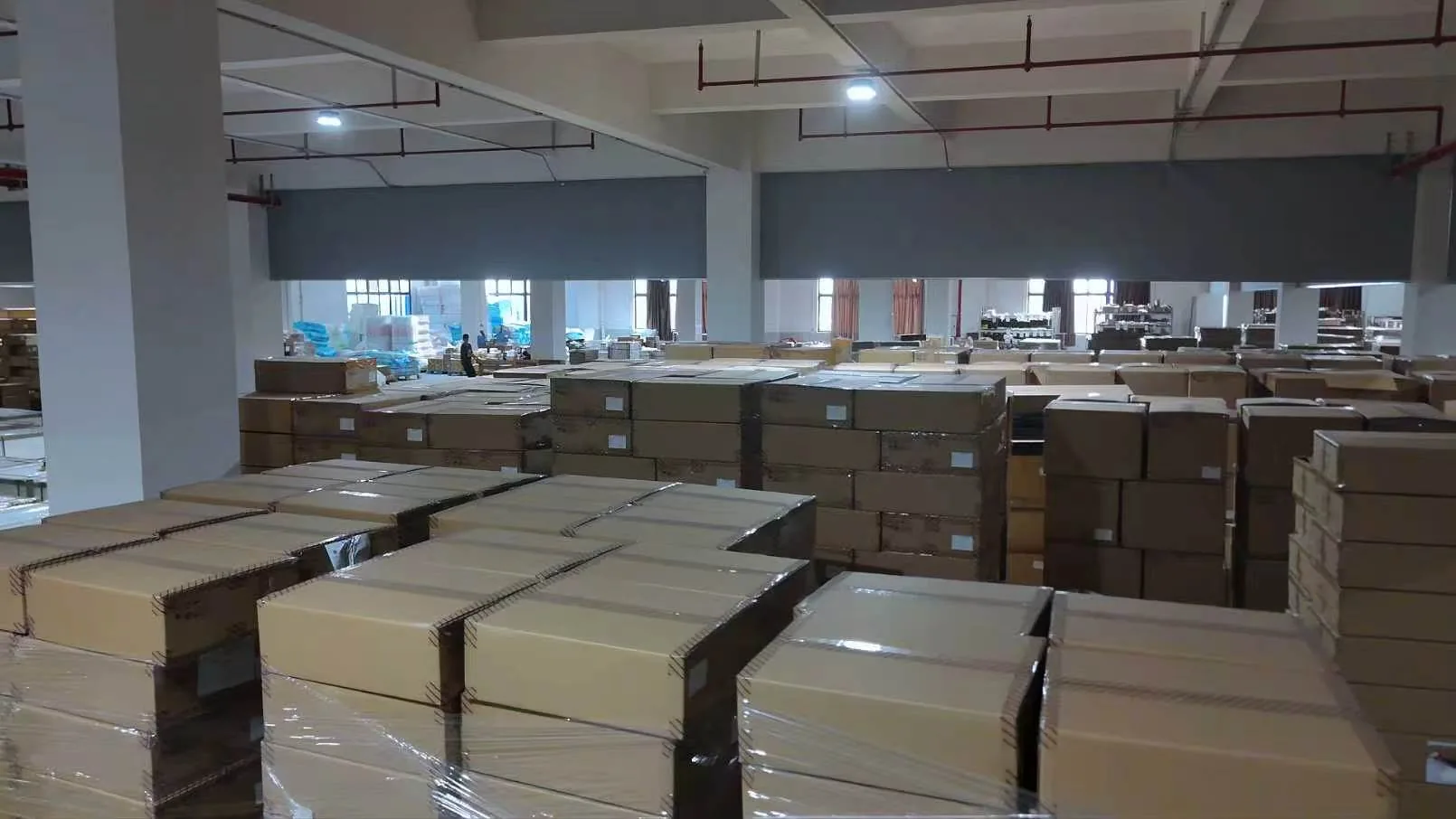
Prepare a packaging brief around surface protection, support, stacking, shipment conditions, identification and transport validation.
Read guide →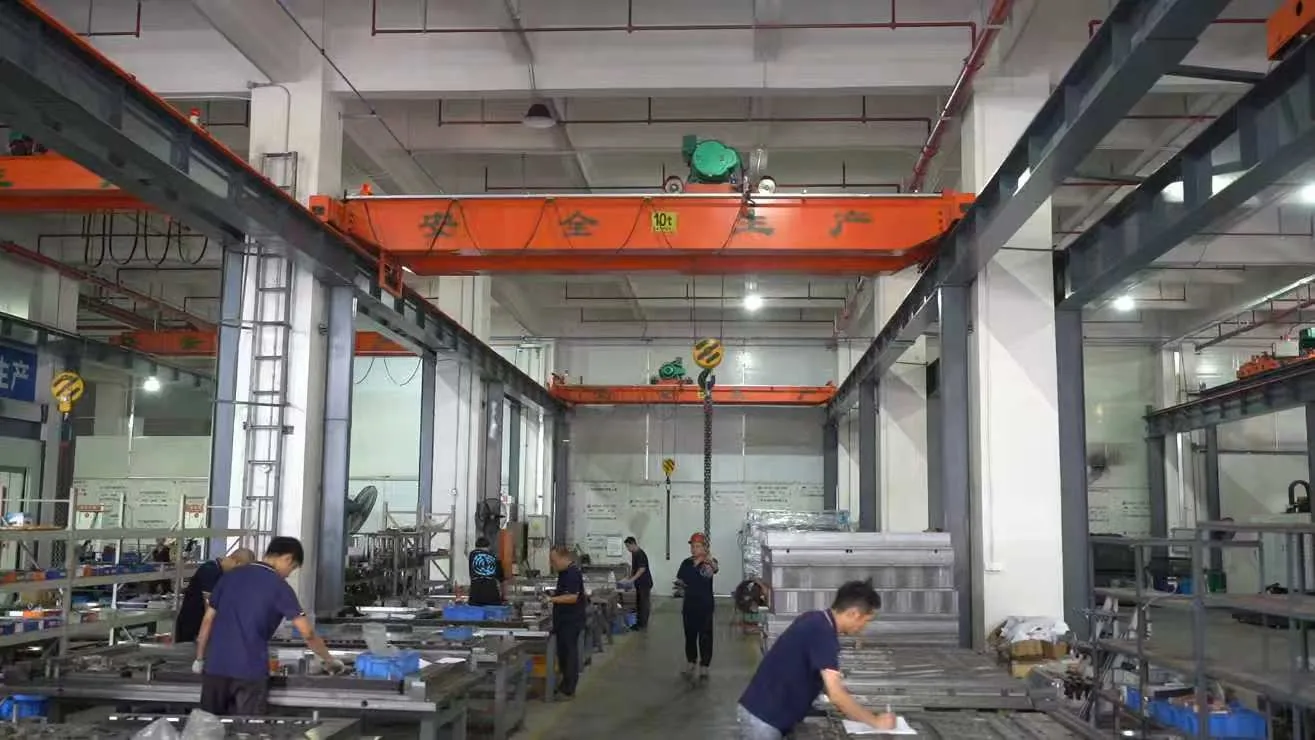
Connect tooling trials, sample identification, issue closure and pilot evidence to clear sample, tool and production approvals.
Read guide →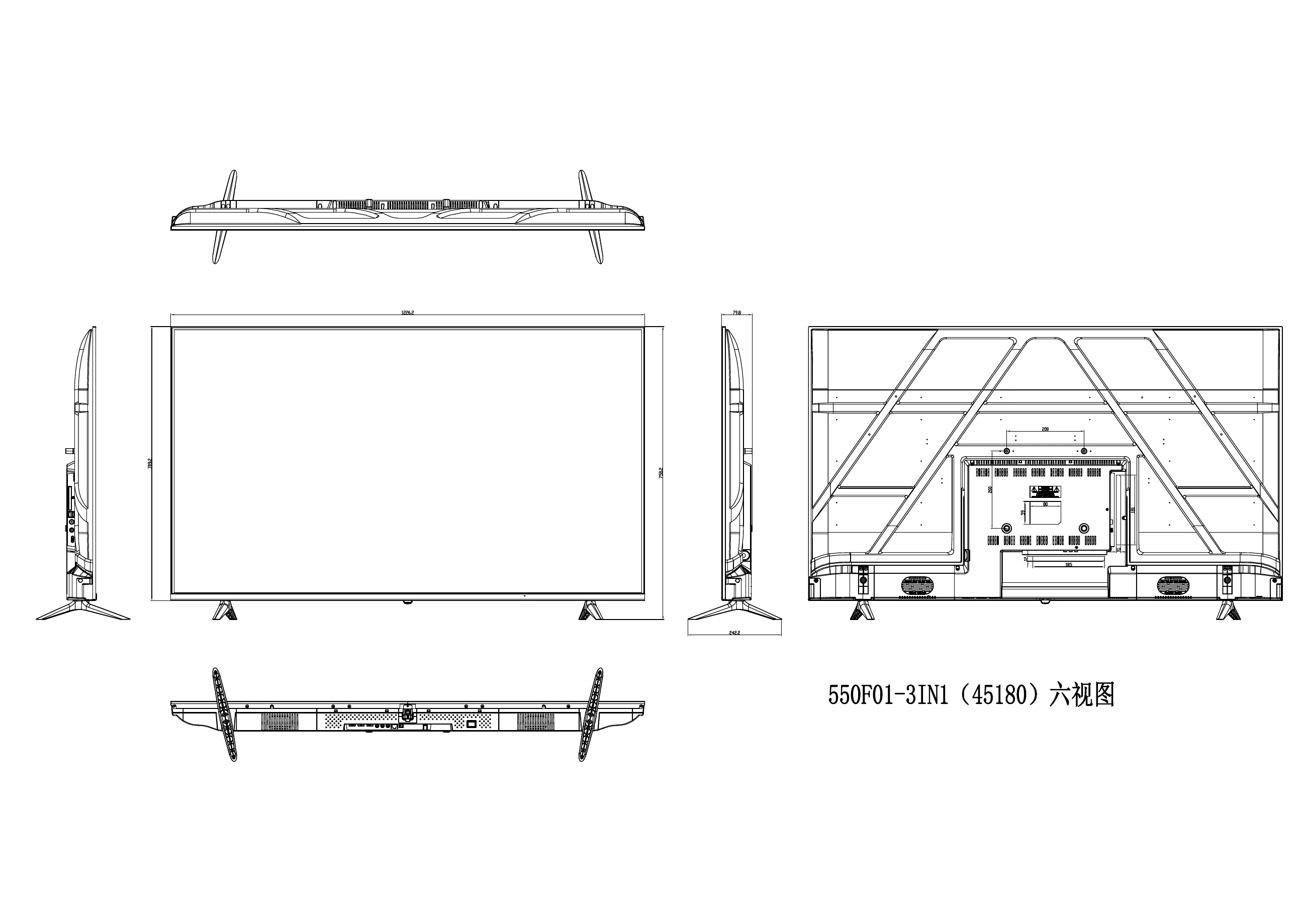
Turn drawings, CAD files and samples into a controlled review package with clear datums, mounting interfaces and revision decisions.
Read guide →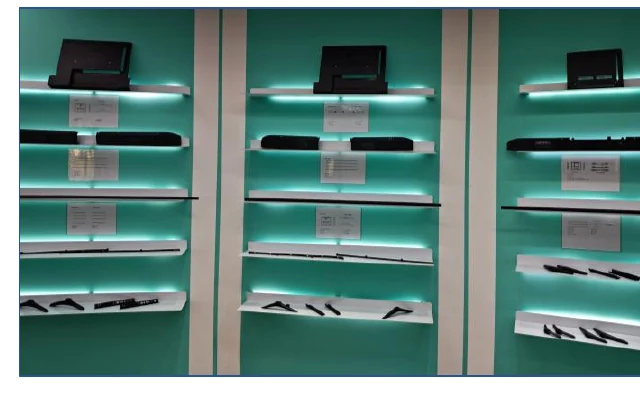
Compare structural roles, interfaces, material options, stamping and molding DFM, tooling economics and validation requirements.
Read guide →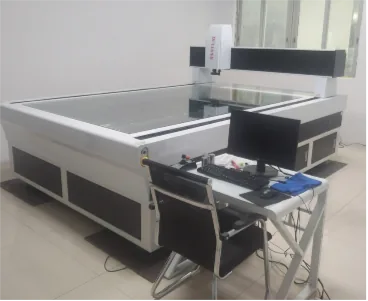
A quality planning guide covering drawings, datums, first-article evaluation, dimensional inspection, assembly fit and release records.
Read guide →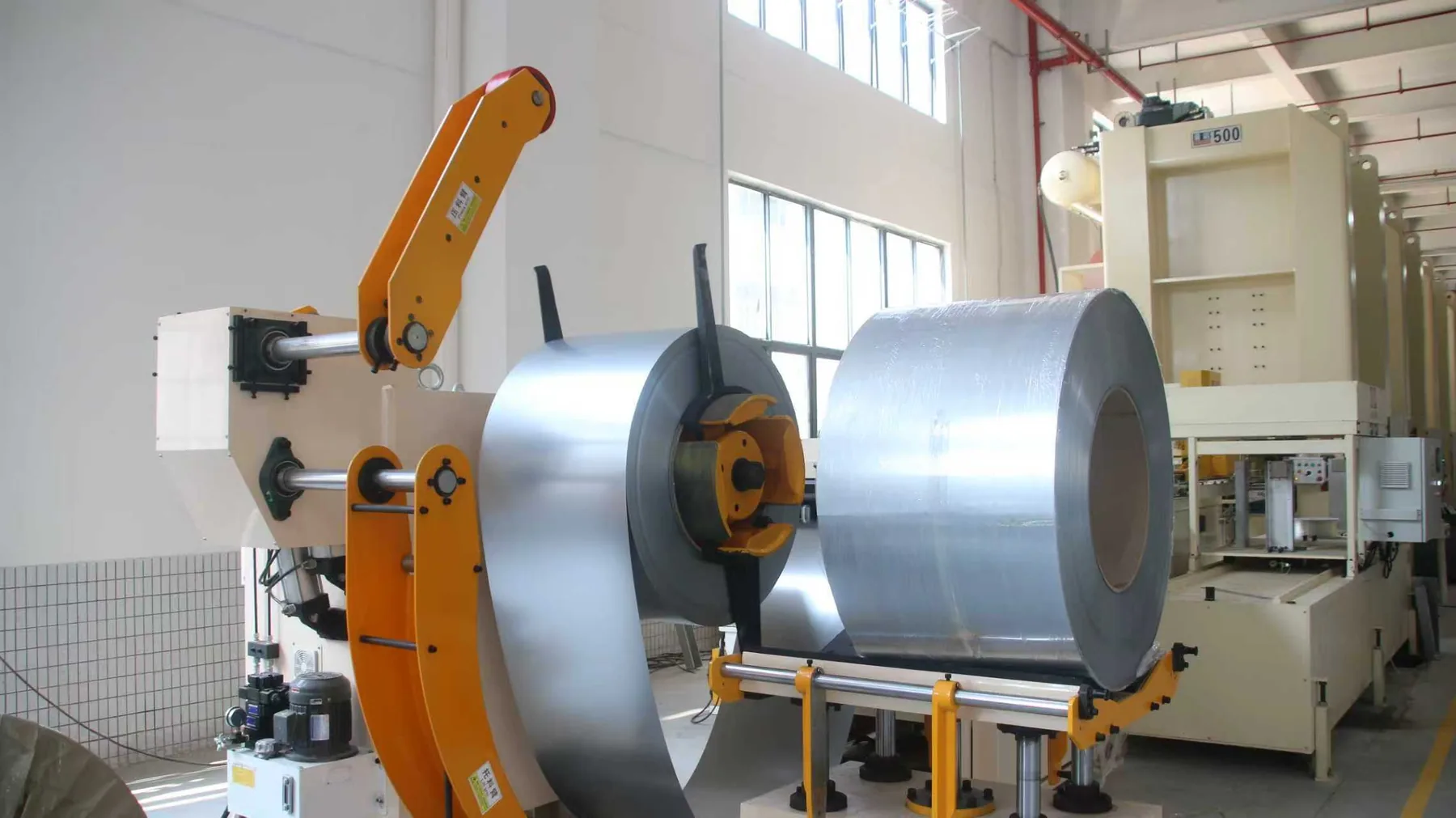
What SGCC establishes, what it does not specify, and how buyers should confirm thickness, coating, surface treatment and drawing requirements.
Read guide →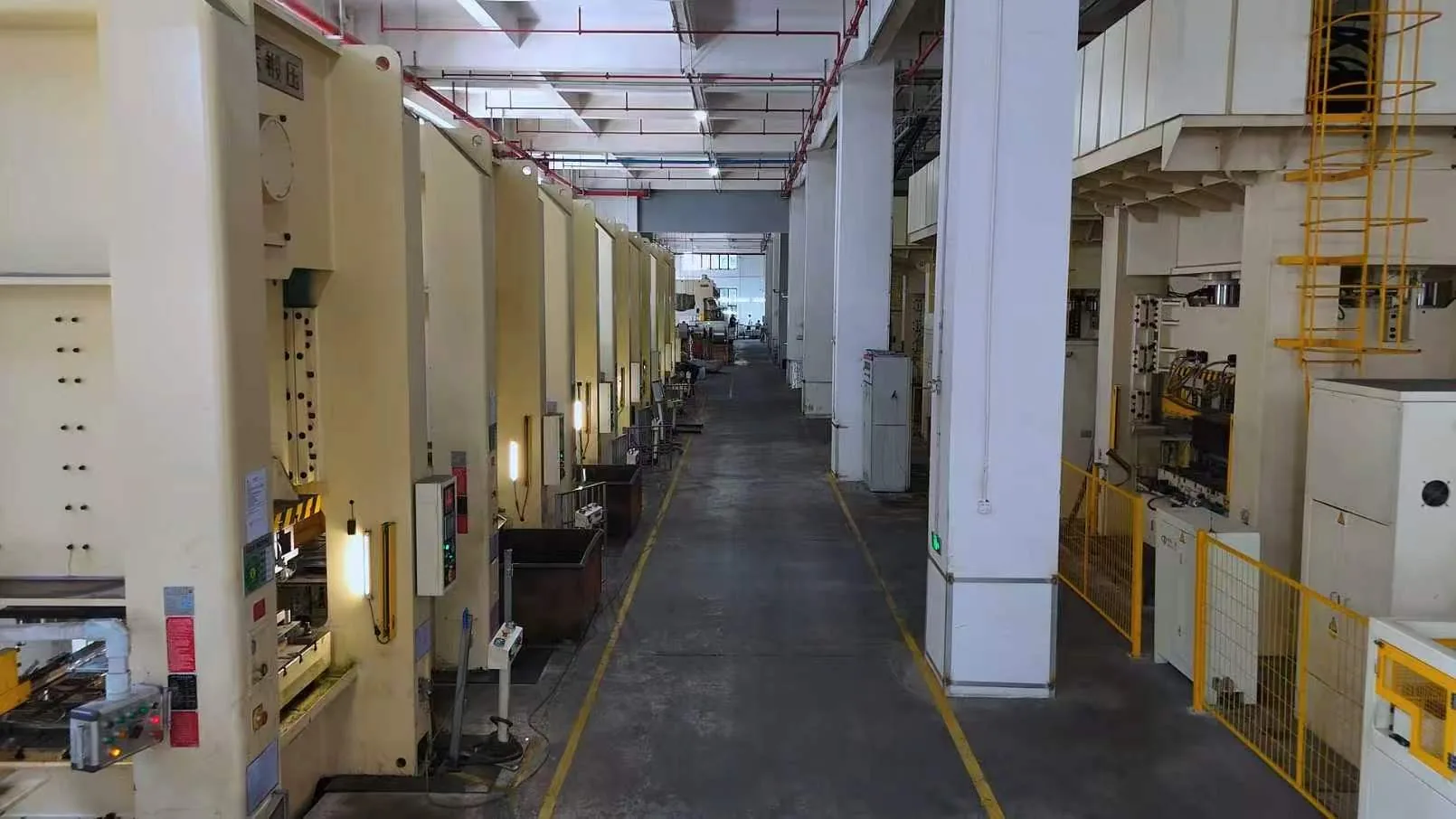
A practical guide from drawing and material confirmation through tooling, stamping, validation, inspection and repeatable production.
Read guide →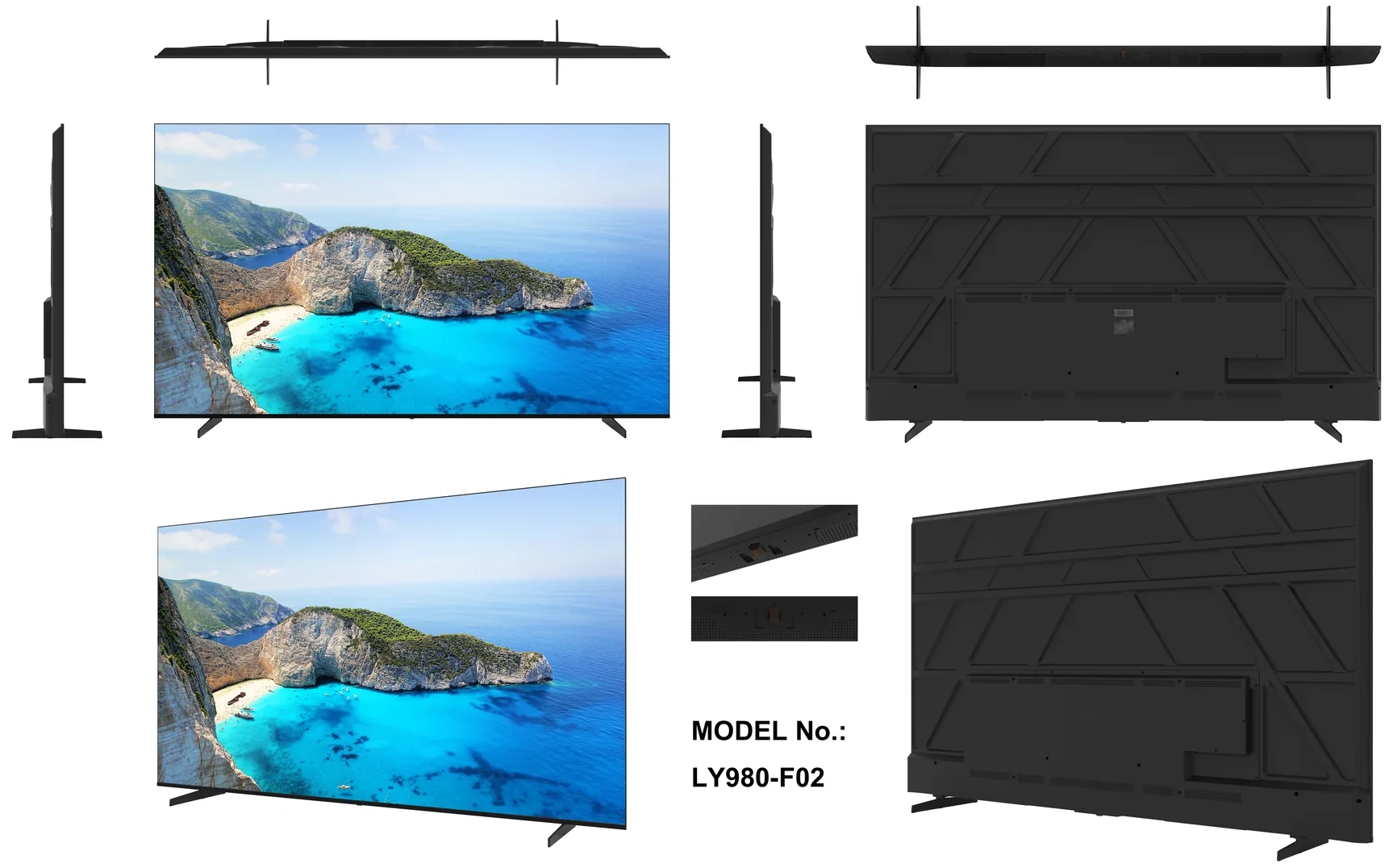
A practical vocabulary guide for buyers and engineers aligning TV rear-structure names with the actual part, material and manufacturing route.
Read guide →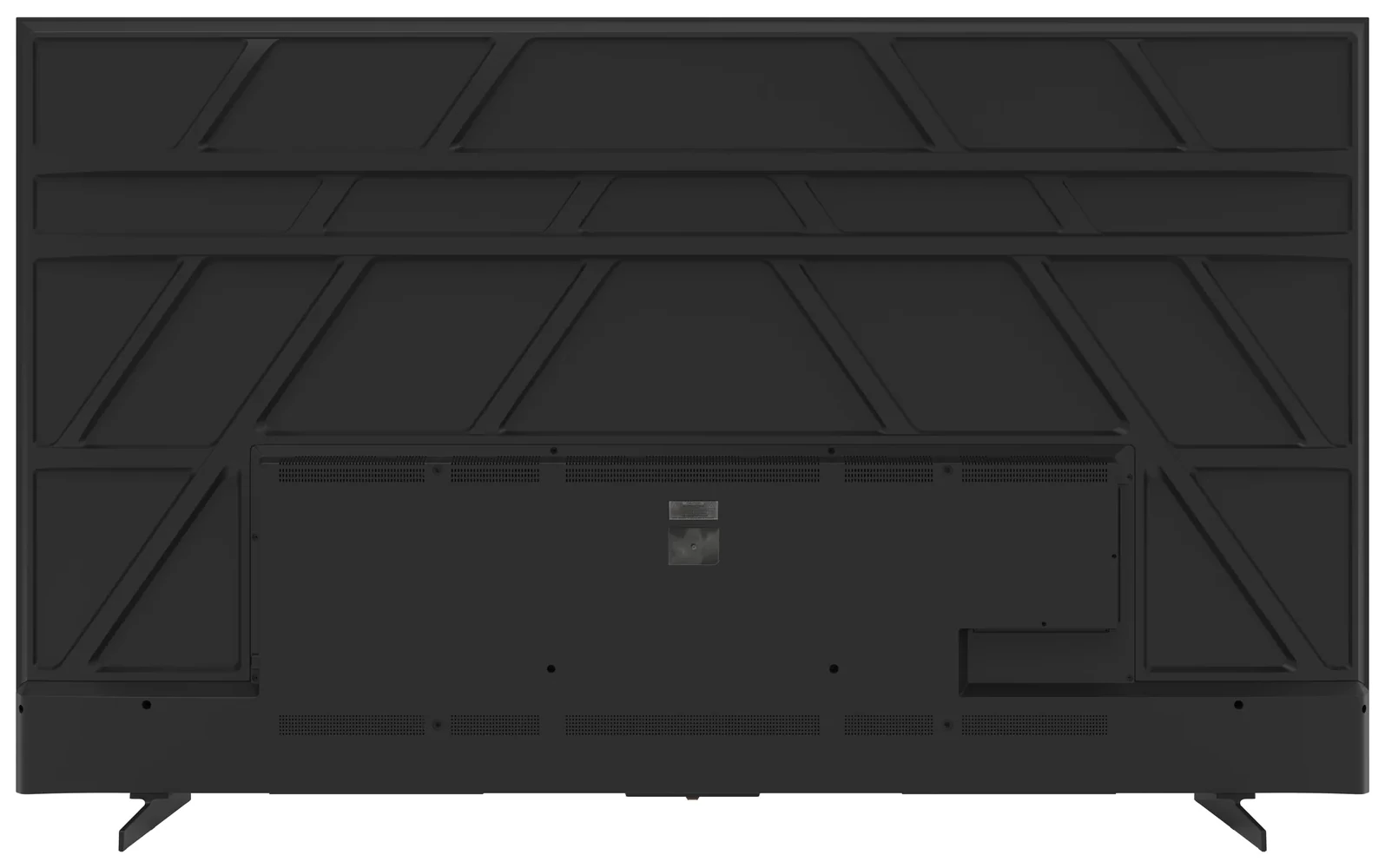
A practical checklist covering drawings, interfaces, material, finish, tooling status, forecast volume, validation and delivery requirements.
Read guide →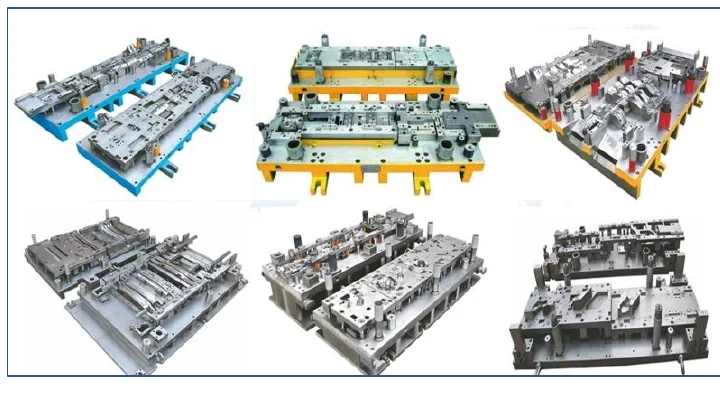
How structural compatibility, tool status, differentiation, volume and validation scope shape the decision between shared, adapted and dedicated tooling.
Read guide →Share the engineering or sourcing question behind your program. KINGSUN can review the relevant product, tooling and manufacturing path.